Smart Lockers — American Made
HAMILTON manufactures the locker cabinets that power smart locker programs — engineered with clean panel faces, no exposed lock hardware, and built to accommodate the electronic access system your organization chooses. American-made. Commercially durable. Designed to fit your space.
What Are Smart Lockers
The hybrid office has changed the relationship between employees and their workspace. Without a dedicated desk, employees need a reliable, secure place to store their belongings every time they come in. Smart locker programs solve that — and they start with the right locker cabinet.
HAMILTON manufactures the locker cabinets and banks that smart locker programs are built on. Our lockers are engineered with clean door faces — no exposed lock bodies, no bulky hardware — so the electronic access system integrates seamlessly into the design. The lock and software platform are chosen by you or your facilities team; we build the locker infrastructure that holds it all together.
Capabilities
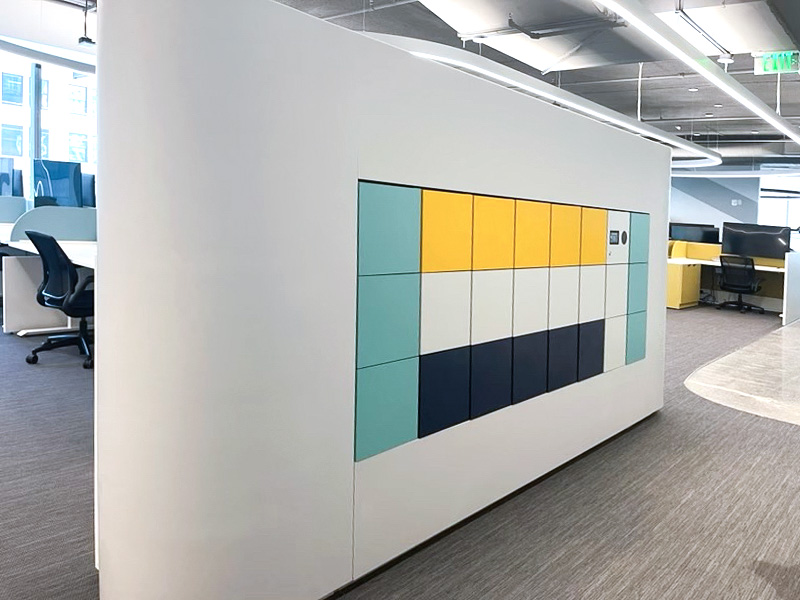
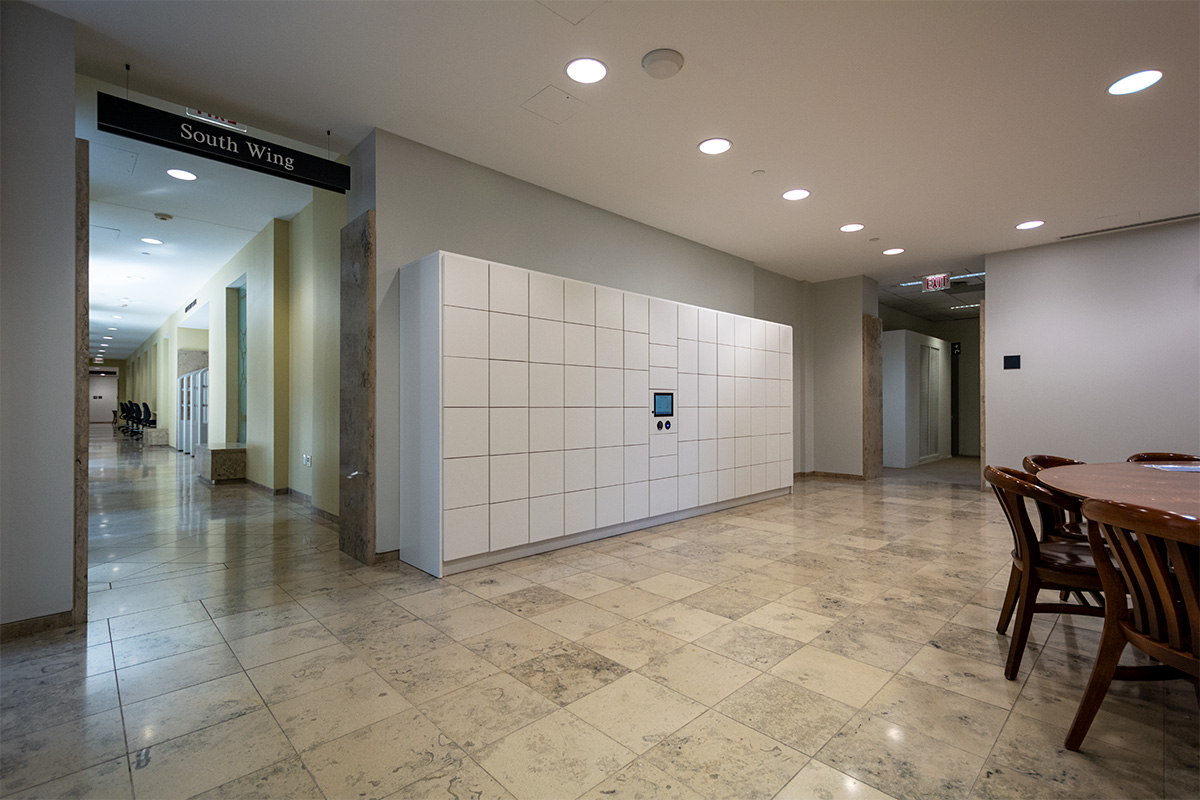
HAMILTON locker cabinets are built with clean panel faces and pre-engineered mounting provisions for electronic lock hardware. No bulky external padlocks, no drilled-through doors — the locker is designed from the start to integrate neatly with the access system you choose.
HAMILTON manufactures locker banks for both assigned programs — one permanent locker per employee — and unassigned hoteling programs where any employee claims a locker for the day. Many hybrid offices run both simultaneously, with different banks serving each use case. The locker configuration is the same; the program mode is managed by the access software.
Every HAMILTON locker bank is built to your spec — single-tier, two-tier, three-tier, or island format. We manufacture to custom dimensions for alcoves, corridors, and rooms that standard lockers won't fit. End panels, overhead fillers, and plinths give banks a built-in, architectural appearance.
Smart locker programs in hybrid offices see high daily traffic — lockers are opened and closed dozens of times per day in unassigned programs. HAMILTON locker cases are built with commercial-grade materials and hardware engineered for that cycle count, not light residential use.
HAMILTON locker cabinets are designed and manufactured in the United States. That means shorter lead times, consistent quality control, and a project management team that coordinates directly with your architect, GC, and facilities staff from spec to installation.
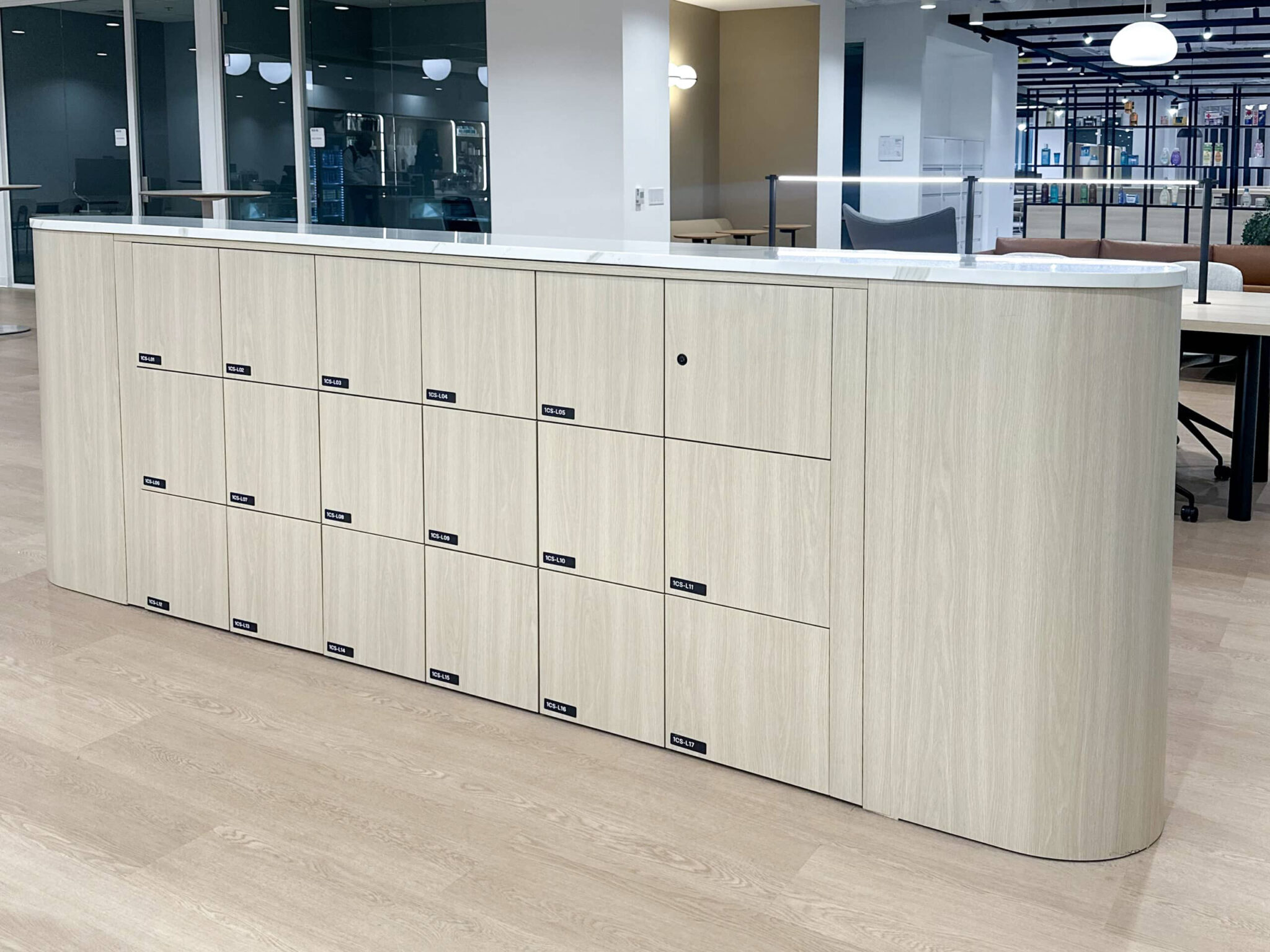
HAMILTON lockers can be built into custom millwork systems — full-wall installations with overhead cabinets, display ledges, and matching end panels that make a locker bank read as furniture, not equipment. Popular in premium corporate offices where design continuity matters.
Case Study — Peaksware
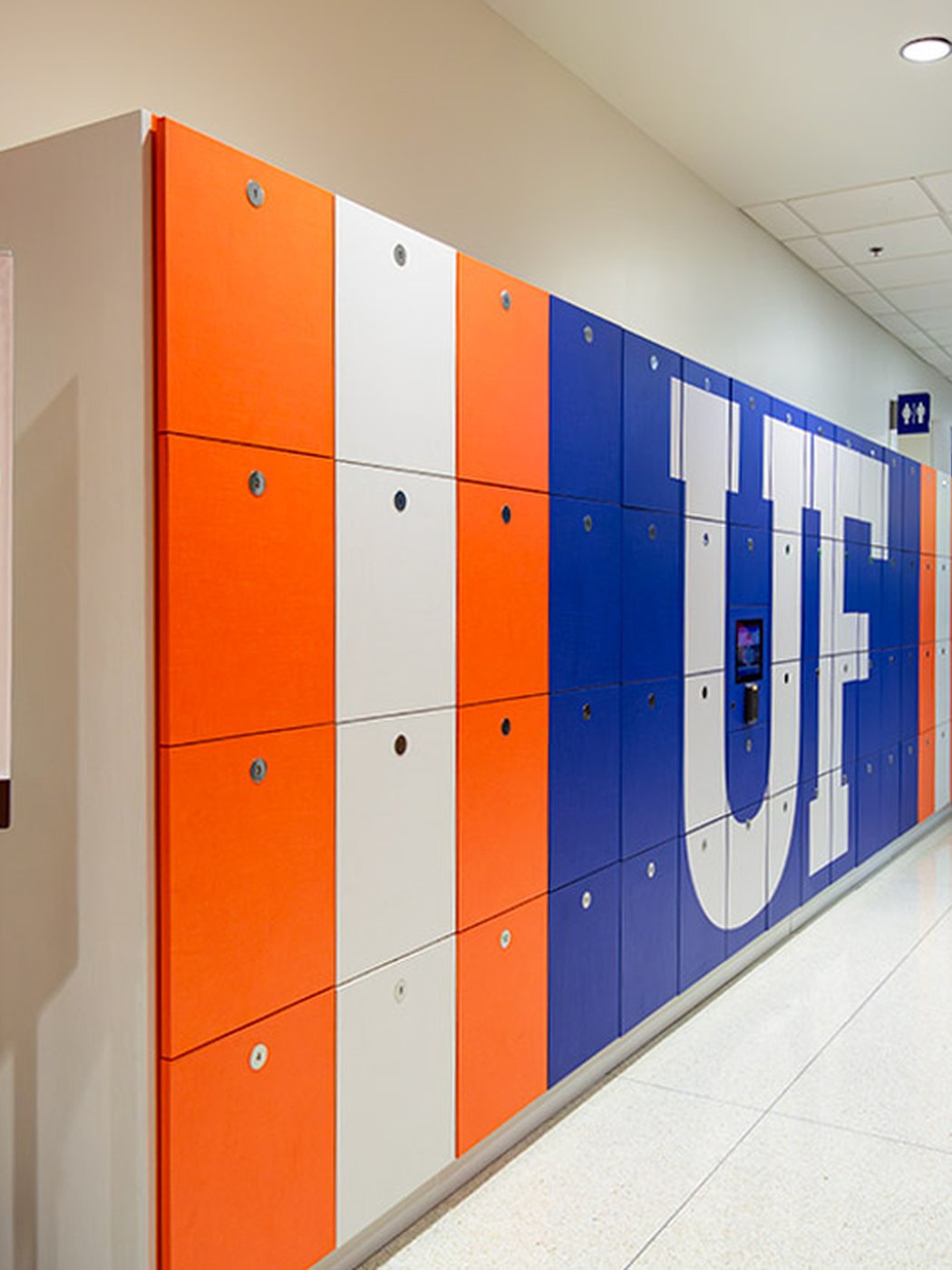
Peaksware — the company behind TrainingPeaks, TrainHeroic, MakeMusic, and Alfred Music — wanted their office to reflect the same technology-forward, user-centric philosophy as their products. When planning their return-to-office program, they originally scoped a wall of 150 traditional lockers.
After reviewing configurations and real-world case studies, they moved to a smart locker program — and chose a locker design that would complement their office aesthetic while supporting the electronic access system their IT team had selected. The final configuration replaced the planned locker wall with a thoughtfully distributed program across their office and fitness areas.
The fitness area runs at 90–95% locker utilization. The office area runs at around 50%, with a 3:1 staff-to-locker ratio that gives every hybrid employee access when they need it without over-building the program.
"Allowing people this locker system has been a great benefit."
— Nathon, IT Manager at PeakswareNathon's advice to other companies: let employees use the lockers for 90 days before writing firm policies. Actual usage patterns will always reveal needs that planning documents don't anticipate.
Case Study — Randstad USA
When Randstad USA redesigned their Atlanta office for a hybrid workforce of more than 700 employees, they made a foundational decision early: no assigned desks, but every employee gets a locker. The desk-to-employee ratio dropped to 0.6 — but the locker-to-employee ratio stayed at 1:1.
"Who comes into the office and when is dynamic," said Jeff Baer, Director of Workplace Solutions at Randstad. Without permanent desks, employees needed a reliable, secure place for their belongings every time they came in.
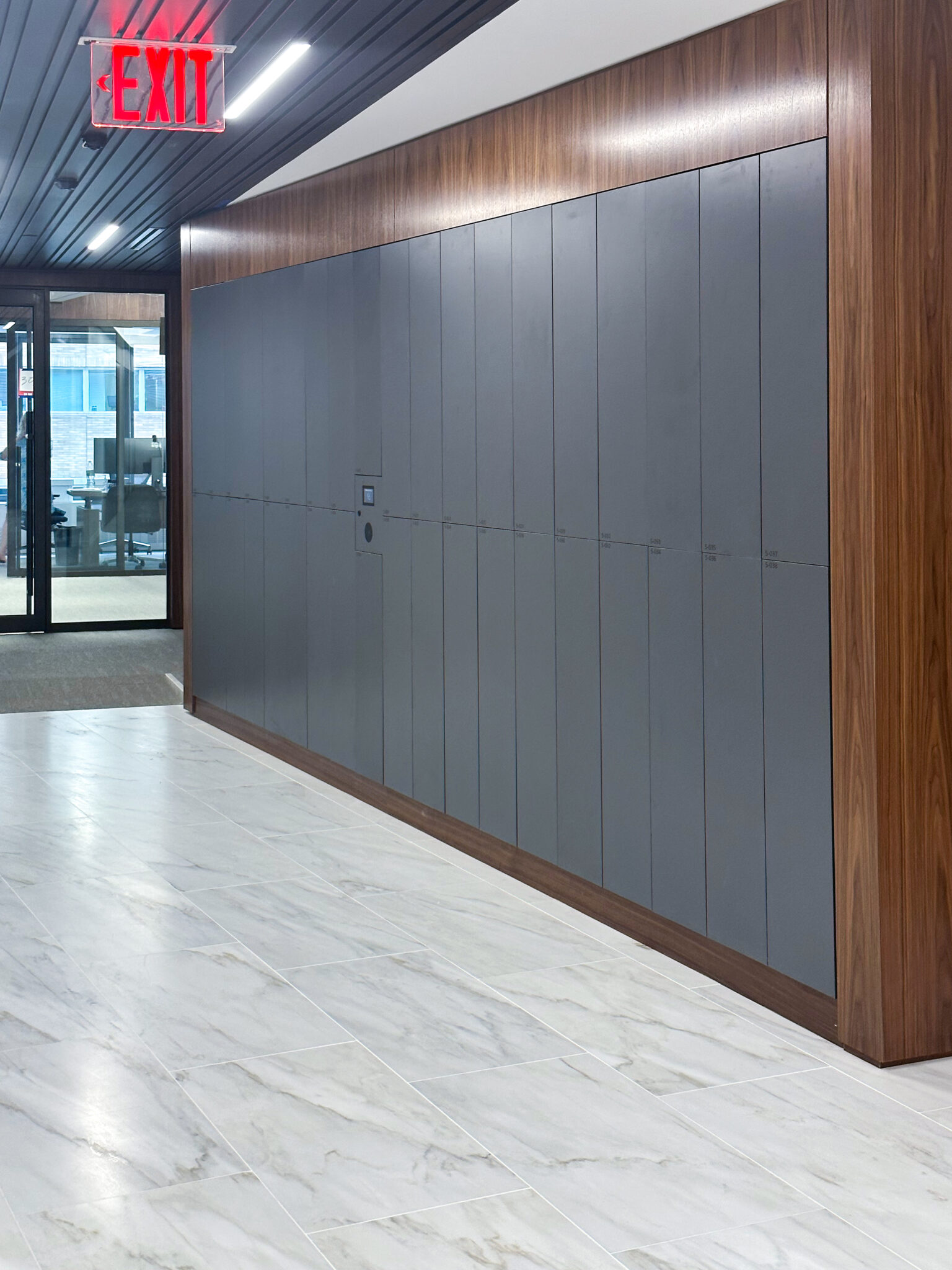
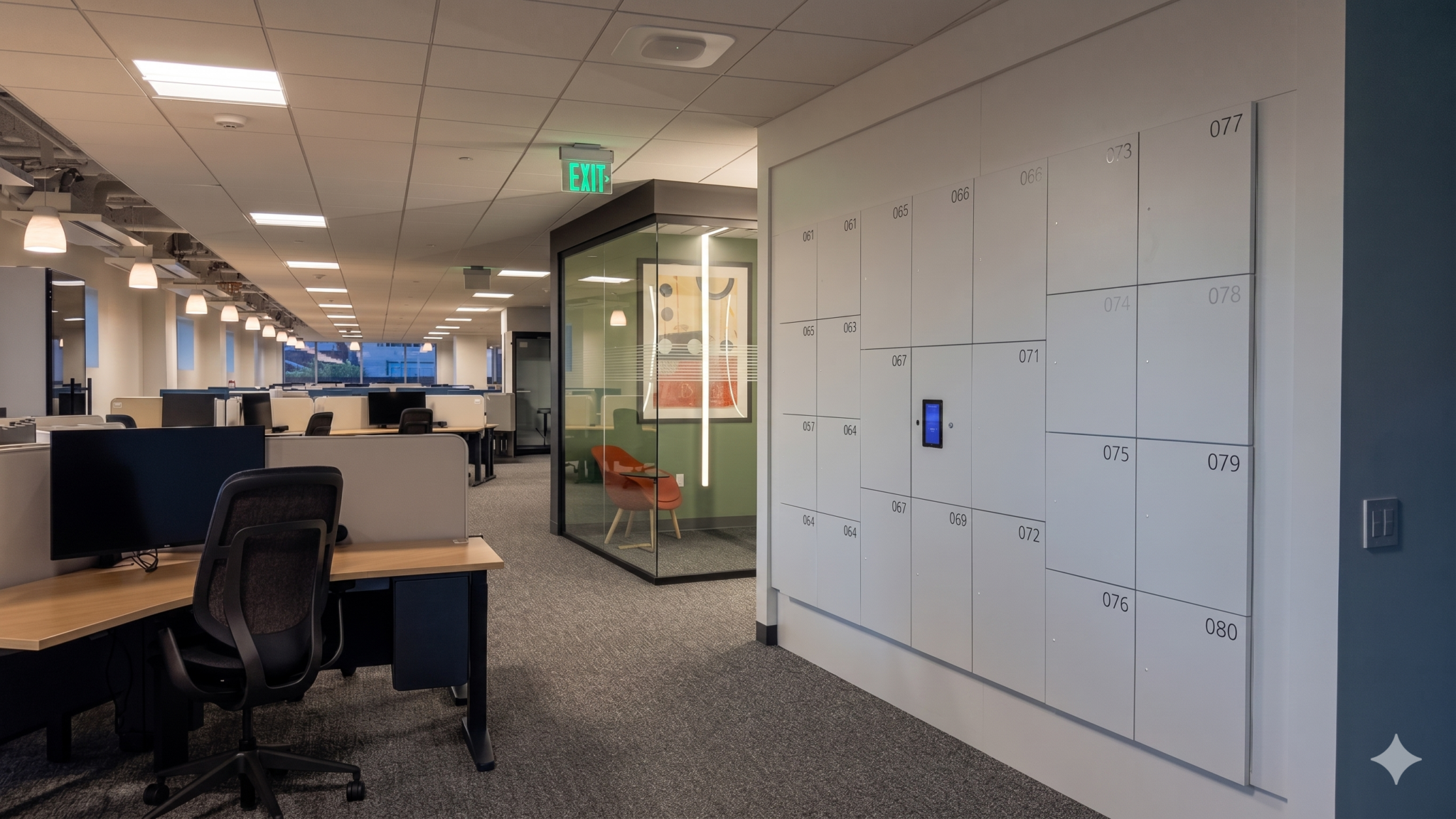
The locker program had to match the scale of the workforce and the ambition of the office redesign. 778 locker units across three floors — distributed in clusters throughout the space rather than consolidated in a single room — meant the locker cabinets had to be consistent in quality, finish, and performance from unit one to unit 778.
Randstad Atlanta — Deployment Summary
Randstad's locker program spans three floors, with locker banks positioned in clusters throughout the floorplan — not isolated in a single room. The distributed approach means employees on any floor have lockers nearby, reducing the friction of storing and retrieving belongings throughout the workday.
Configurations include unassigned banks near quiet focus booths and phone rooms, a large central locker room with full-wall banks and a central island accessible from both sides, and smaller wellness-area banks for gym bags and personal items. Each zone was designed for its specific use case and traffic pattern.
The locker cabinet design was chosen to support a clean, modern aesthetic consistent with Randstad's office redesign — uniform finish across all 778 units, no exposed lock hardware on door faces, and a layout that fits naturally into the open-plan floor rather than reading as institutional storage.
"We are prepared for whatever the future holds with this customizable solution." — Jeff Baer, Director of Workplace Solutions, Randstad USA
Design & Manufacturing
HAMILTON locker cabinets are manufactured in the United States and engineered for commercial environments. Every locker bank is specified to your floor plan — single-tier, two-tier, or three-tier configurations, freestanding or built into custom millwork, island or wall-mounted.
The cabinet design is intentionally clean: no exposed padlocks, no bulky external hardware on door faces. The locker presents a flat panel that accepts electronic lock hardware flush — so the final installation looks architectural, not institutional. Laminates are available in hundreds of colors and patterns to match your interior design system.
Frequently Asked Questions
Related Resources
How to right-size your locker program for a hybrid workforce — configurations, ratios, and design principles.
Read the Guide →Explore HAMILTON's full range of office locker configurations — from single-tier islands to custom millwork integration.
Explore Options →Download guides, case studies, and planning tools for your next locker or casework project.
View All Resources →Tell us about your space, your headcount, and your hybrid schedule — and we'll help you design a smart locker program that works from day one.