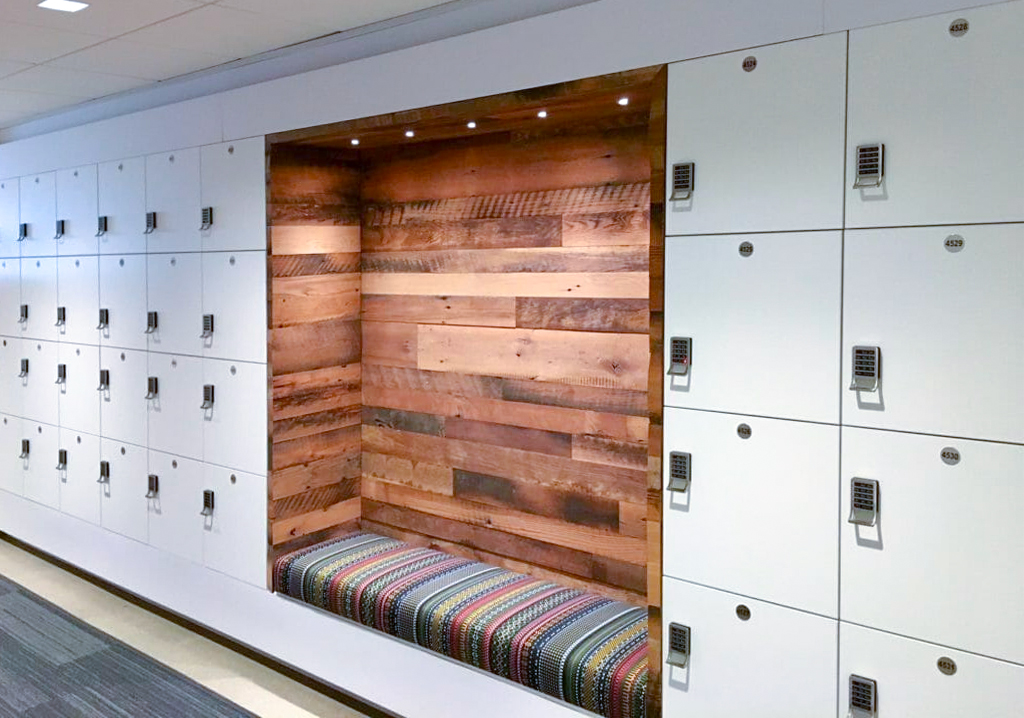
The office still wins — when it's designed to. Locker cabinet design has moved from afterthought to core workplace strategy for leading enterprises.
For decades, employees came into the office because they had to. Then the pandemic proved that work could happen anywhere: homes, coffee shops, hotel lobbies, coworking spaces.
Now employees choose. And they'll only consistently choose the office if it offers something they can't get at home: community, energy, the right tools — and the simple convenience of having a secure place for their things.
Most offices weren't designed for this. Individual desks gave way to hoteling stations. But the lockers — the personal storage infrastructure — never kept pace. Companies removed assigned desks but didn't solve the storage problem they created.
"As offices adopt shared spaces and fewer personal desks, personal storage becomes the essential amenity — and an opportunity to make the office genuinely better."
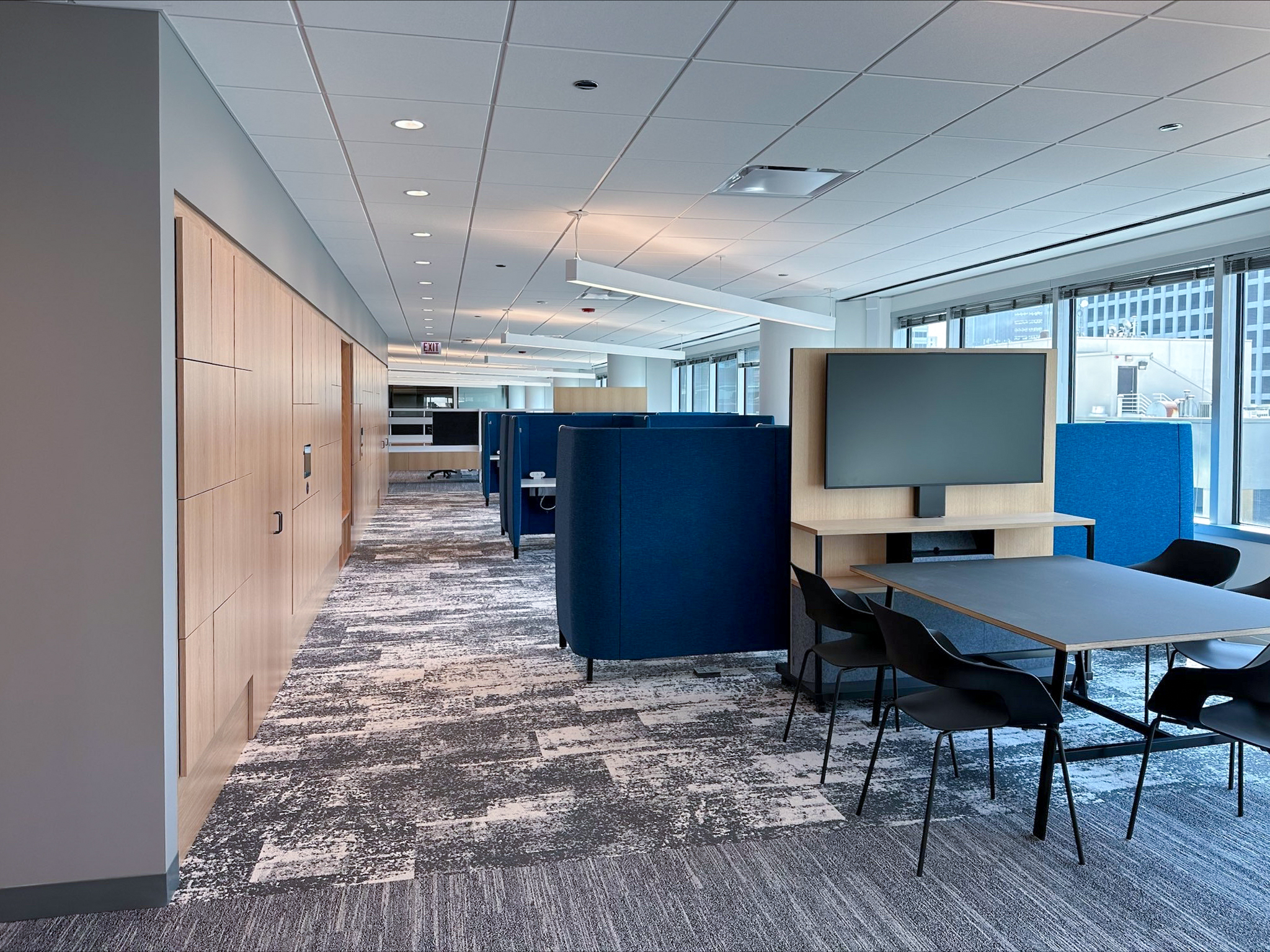
Locker cabinets don't just store bags. In the hybrid office, they define zones, reinforce brand identity, and give employees a concrete reason to choose the office. Here's how HAMILTON approaches the design.
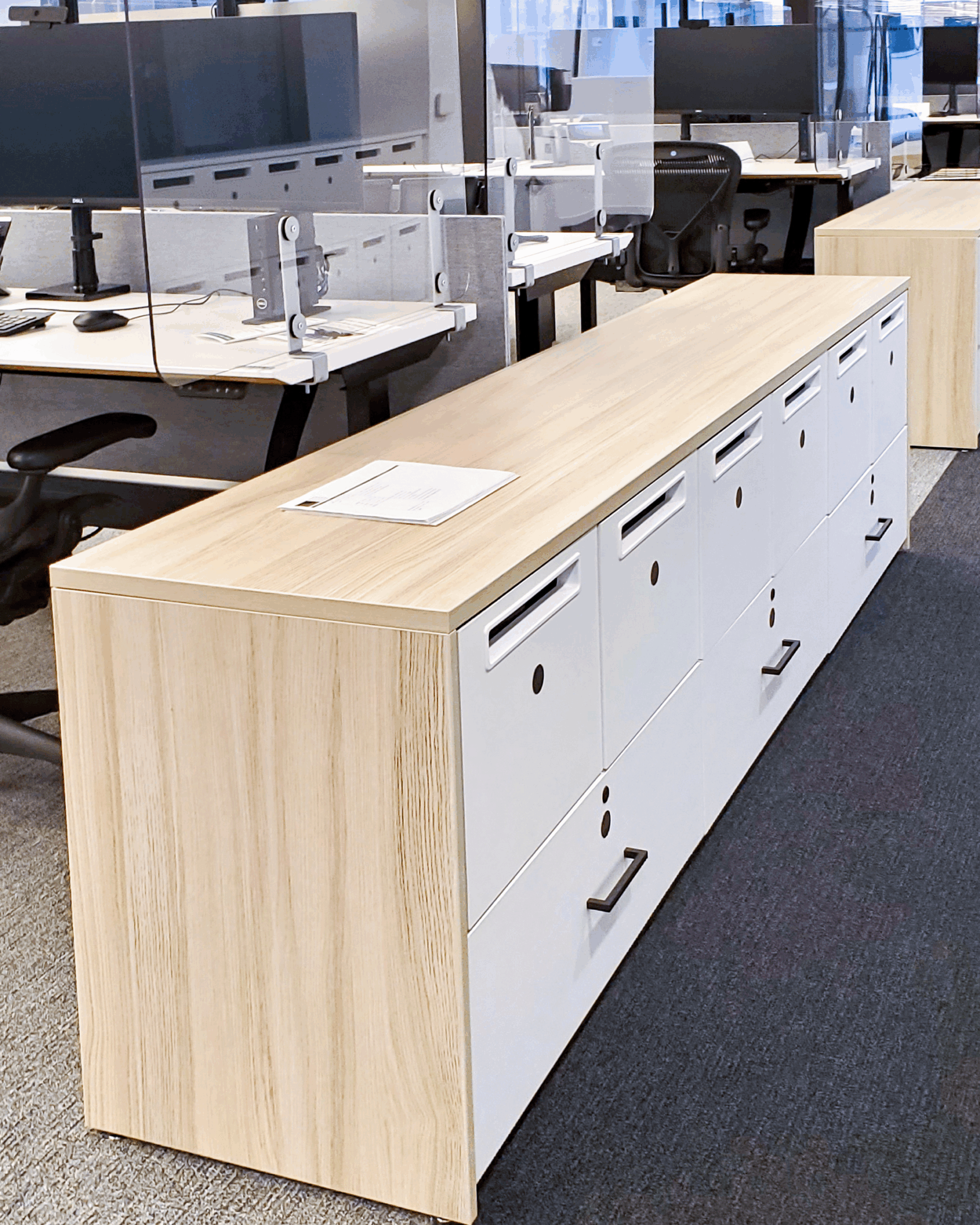
The right mix of locker sizes matters. HAMILTON designs programs with the actual use case in mind — full-height for coats, mid-height for bags and laptops, shallow for tablets and accessories. Drawers replace impractical bottom-row lockers. Every bay earns its square footage.
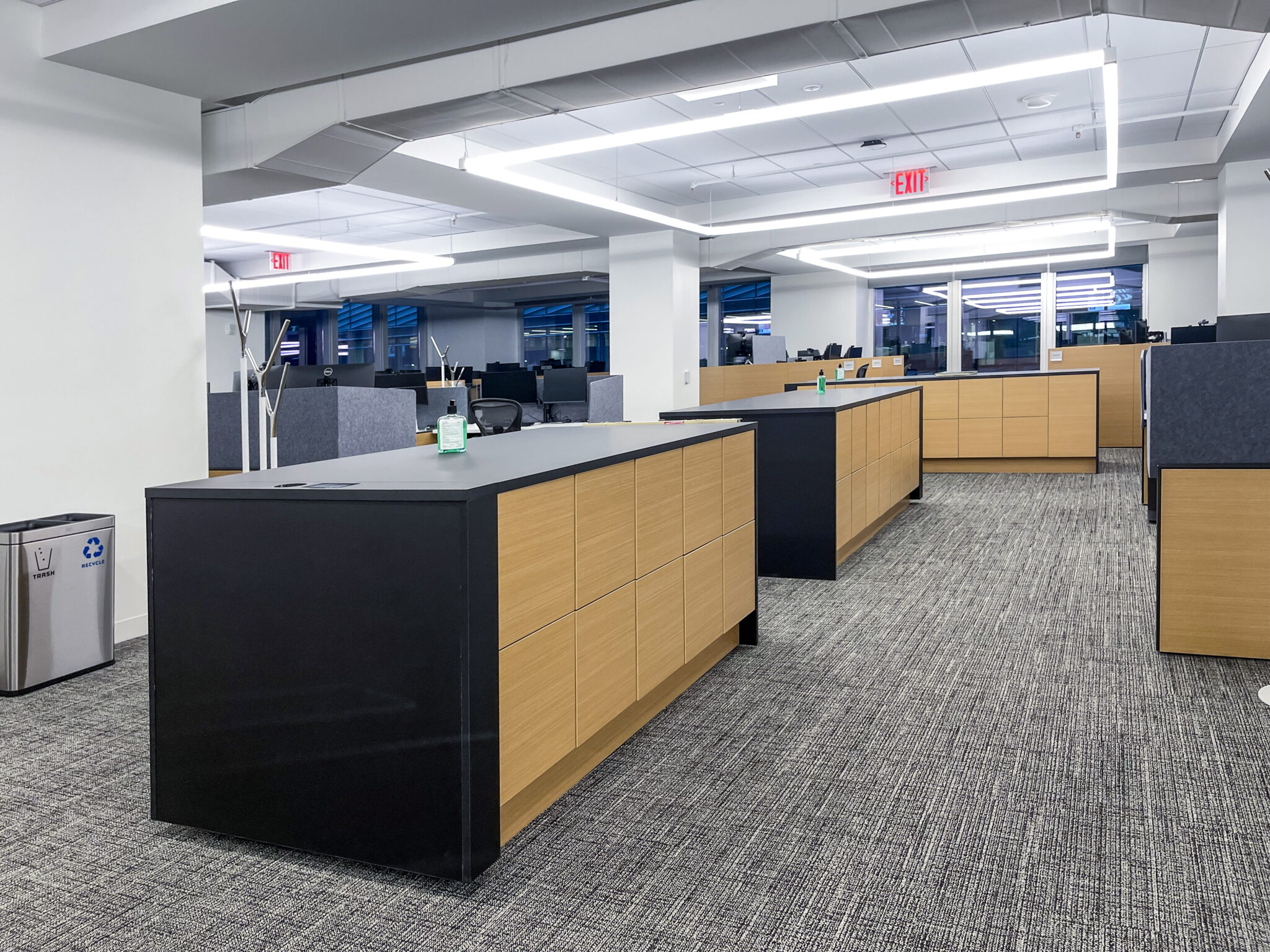
Locker banks define space without walls. Zone dividers create collaborative neighborhoods within open floors. End caps become desk extensions or informal meeting perches. Island lockers anchor shared areas with seating surfaces and writable panels. HAMILTON designs locker programs that do architectural work.
Start with a single bank and expand floor by floor, building by building, city by city. HAMILTON maintains consistent cabinet dimensions, finishes, and configurations across your entire portfolio — so every new installation matches what came before.
HAMILTON manufactures the cabinet. The lock hardware — RFID, keypad, mobile credential, or mechanical — is selected separately by your organization or distributor to match your building systems. The cabinet infrastructure remains consistent regardless of which access solution you choose, and can be upgraded independently as technology evolves.
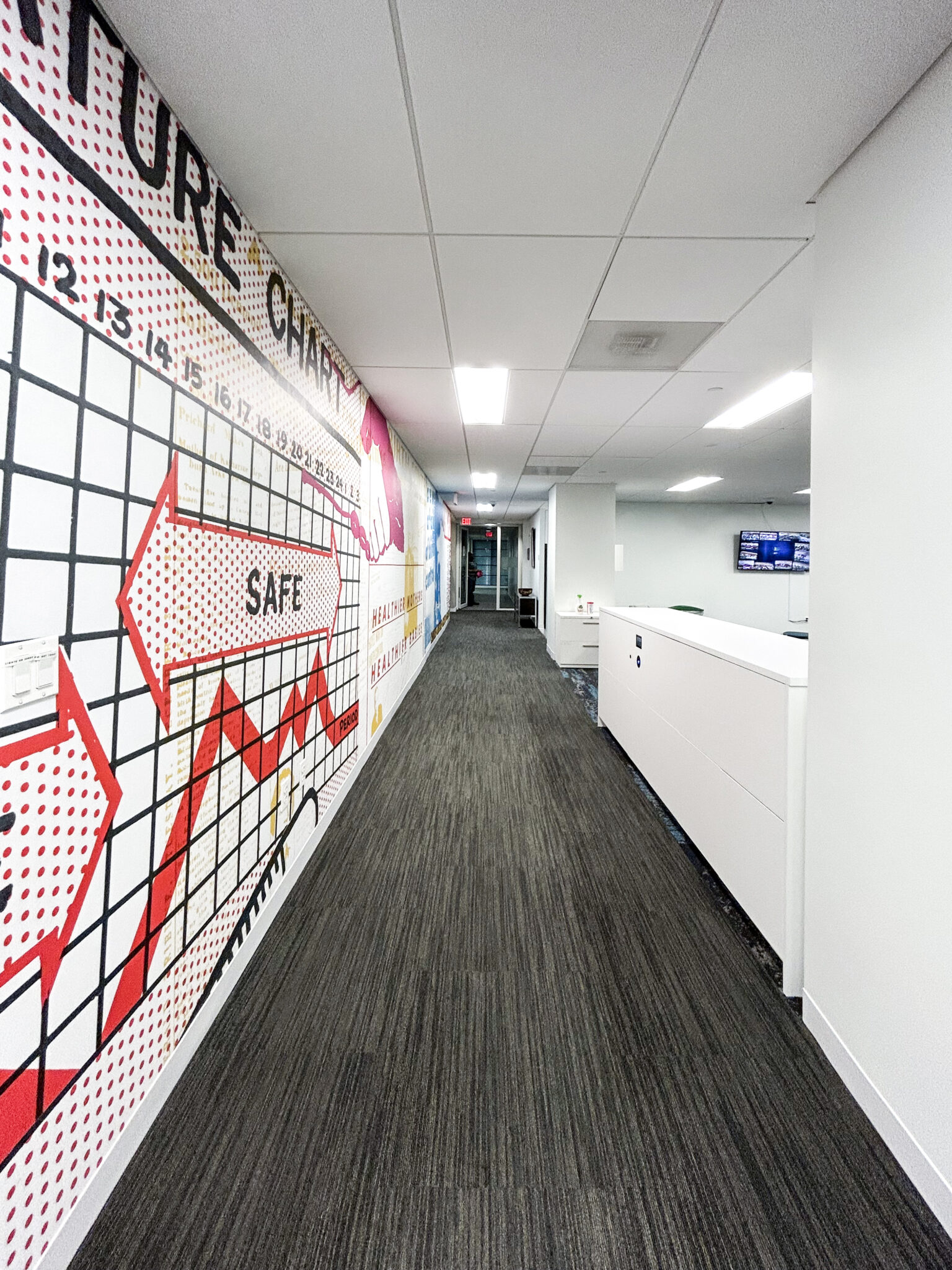
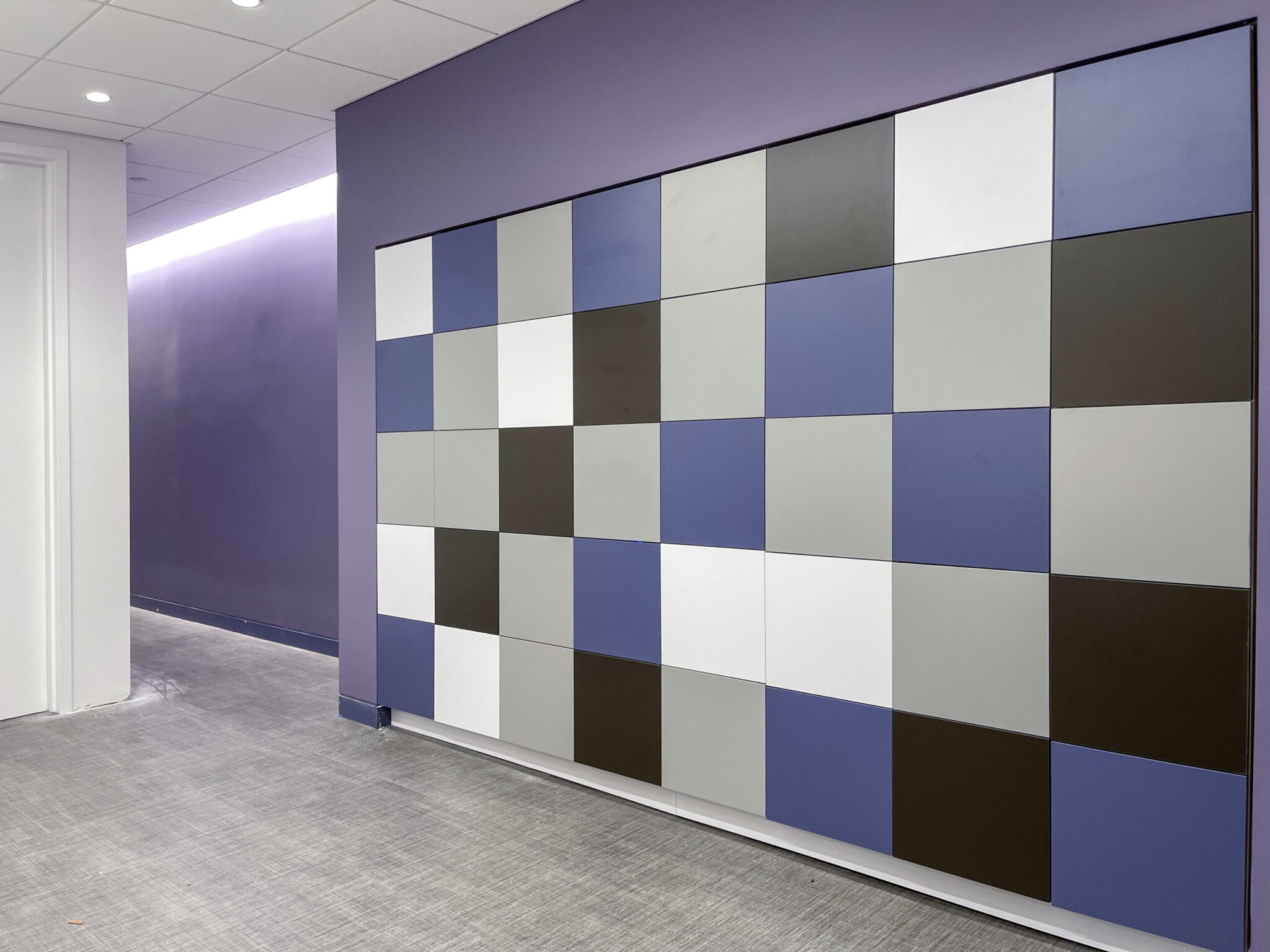
Return-to-office mandates work better when the office is worth returning to. The companies seeing the strongest voluntary attendance share a common trait: they invested in the employee experience — not just the square footage.
Locker cabinets address a friction point that most RTO plans overlook: the uncertainty of "where will I put my things?" in a hot-desking environment. When an employee knows a secure, personal space is waiting the moment they arrive, the office becomes as frictionless as working from home.
HAMILTON has deployed locker programs for HSBC, Chubb Insurance, BNP Paribas, Munich Re, and dozens of other global enterprises navigating this challenge. Making the office physically convenient — a locker waiting, a clean desk available — is a consistent driver of attendance.
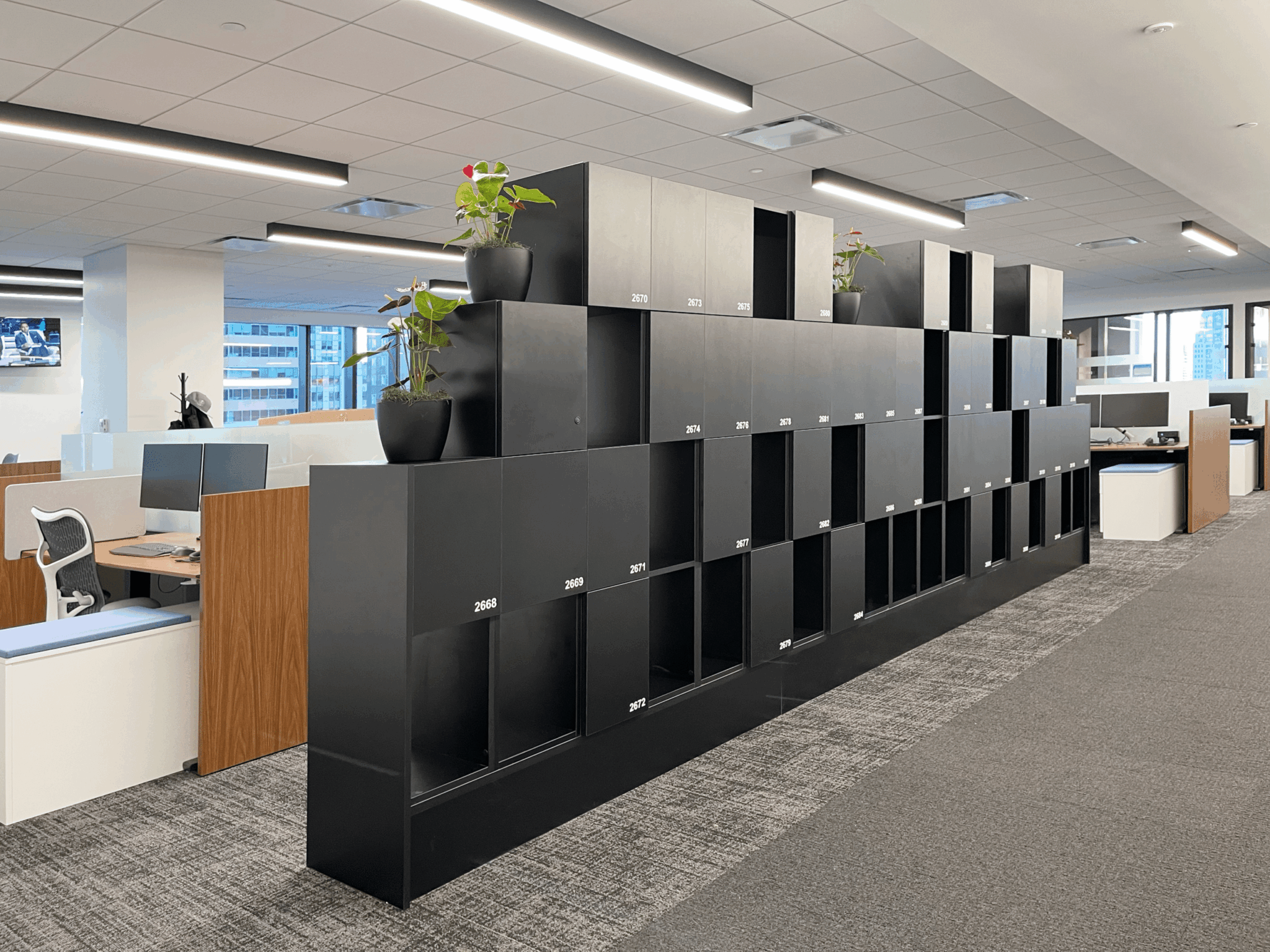
HAMILTON locker cabinets are purpose-built for the hybrid office — available in six configurations that do more than store belongings. They shape the space.
The foundation. Full-height for coats, mid-height for bags and laptops, shallow for accessories. Drawers at the base replace impractical bottom lockers. Every locker sized for its actual contents.
Locker banks define collaborative neighborhoods within open floors — providing privacy and acoustic separation without walls. A structural element that happens to store things.
Locker end caps extend into desk surfaces, casual meeting perches, or display ledges. Storage and workplace furniture in a single, seamless unit.
Freestanding locker islands topped with seating surfaces, writable surfaces, or planter shelves. Anchors for shared areas that encourage spontaneous collaboration.
Integrated into architectural millwork for a clean, high-end finish. Ideal for reception areas, executive floors, and spaces where aesthetics are as important as function.
Wider, deeper bays purpose-built for package delivery, IT asset lending, or shared equipment pools. Same cabinet family, same finish palette — a seamless extension of the locker program.
Every surface in a HAMILTON locker cabinet is a design opportunity. Laminate panels carry brand colors. End caps display company photography. Planter boxes bring biophilic elements into shared corridors. The locker is no longer background furniture — it's part of the story your office tells.
HAMILTON works with interior designers and architects to match cabinet finish, dimension, and configuration to the overall design language of the space. The result is an office that feels considered and intentional.
One of HAMILTON's clients specified custom yellow lockers to match their brand identity — branded storage became the most photographed element of their new headquarters.
22 pages on the hybrid office, locker cabinet design principles, customization configurations, and how leading companies are using purposeful locker design to drive attendance and employee experience.
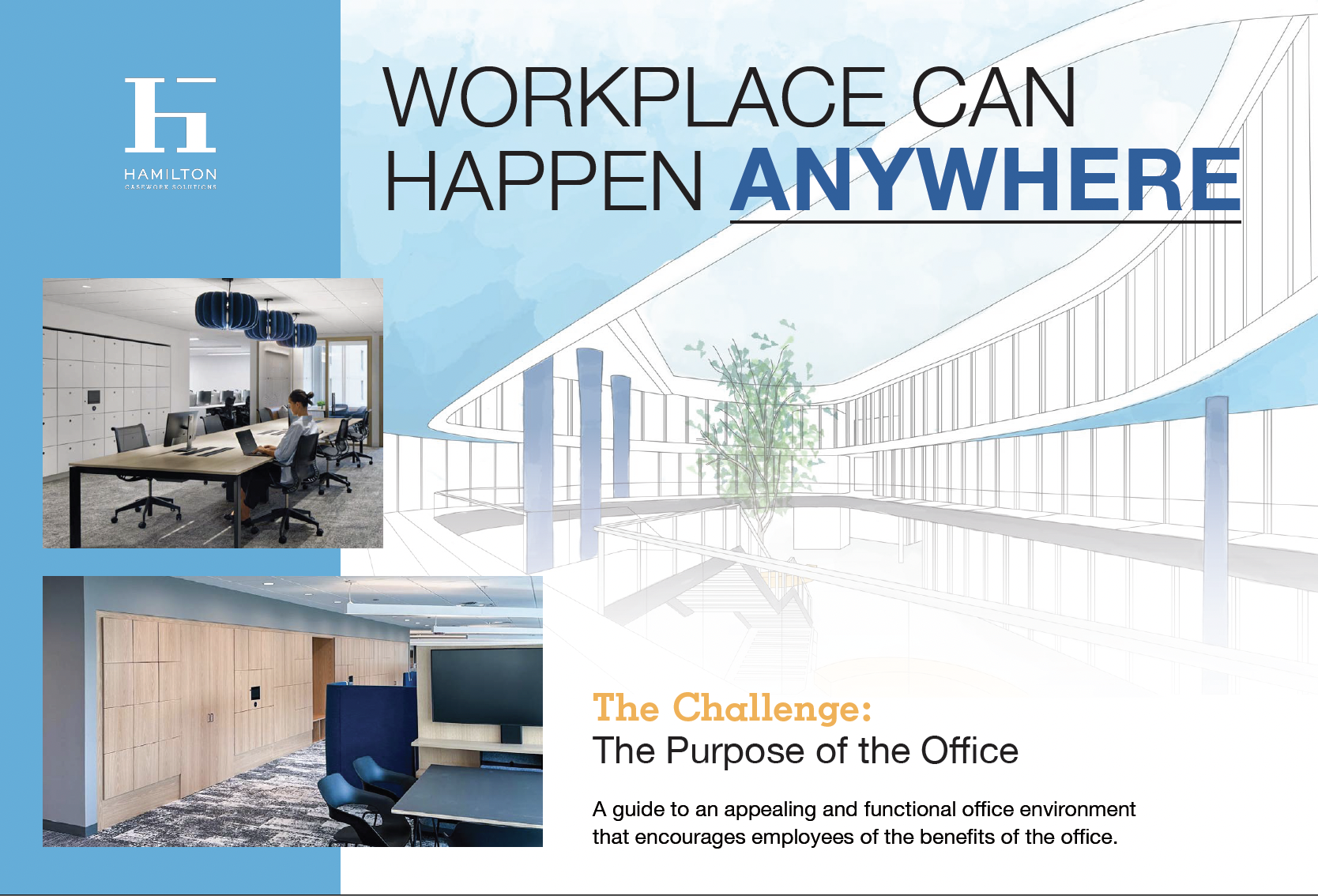
A guide to an appealing and functional office environment that encourages employees to choose the office — with purposeful locker cabinet design at the center.
New office fit-out or existing space retrofit — tell us about the project and we'll spec the right program for your headcount, layout, and workflow.